Sharing Our Regional History with Camp Verde Elementary School’s Third Grade Class
Education for everyone, regardless of age, learning style, or ability, is a key part of our mission at the Verde Valley Archaeology Center and Museum. This January, VVAC partnered with Camp Verde Elementary School (CVES) to provide an interactive museum experience for the school’s third-grade classes.
In 2025, VVAC’s Executive Director, Monica Buckle, approached CVES to facilitate a school visit. With the help of Wendy Tucker, a third-grade teacher at CVES, the entire third-grade student body was able to visit the museum free of charge.
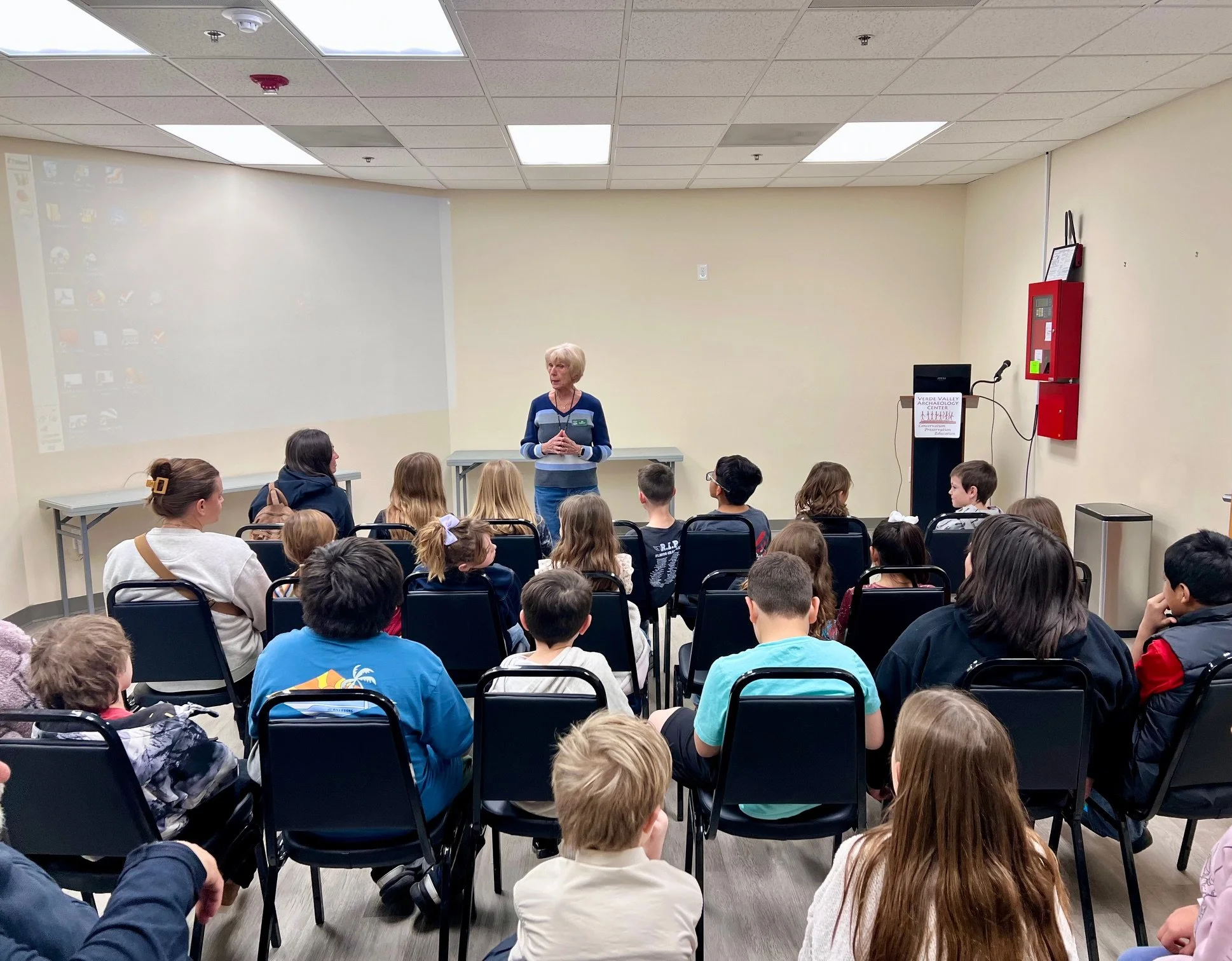
Over the course of two weeks, five different third-grade classrooms visited the museum space in small groups for 90-minute sessions. Buckle and VVAC Lab Volunteer Jan Anderson developed a program consisting of a pottery identification workshop and a museum tour appropriate for the student age group.
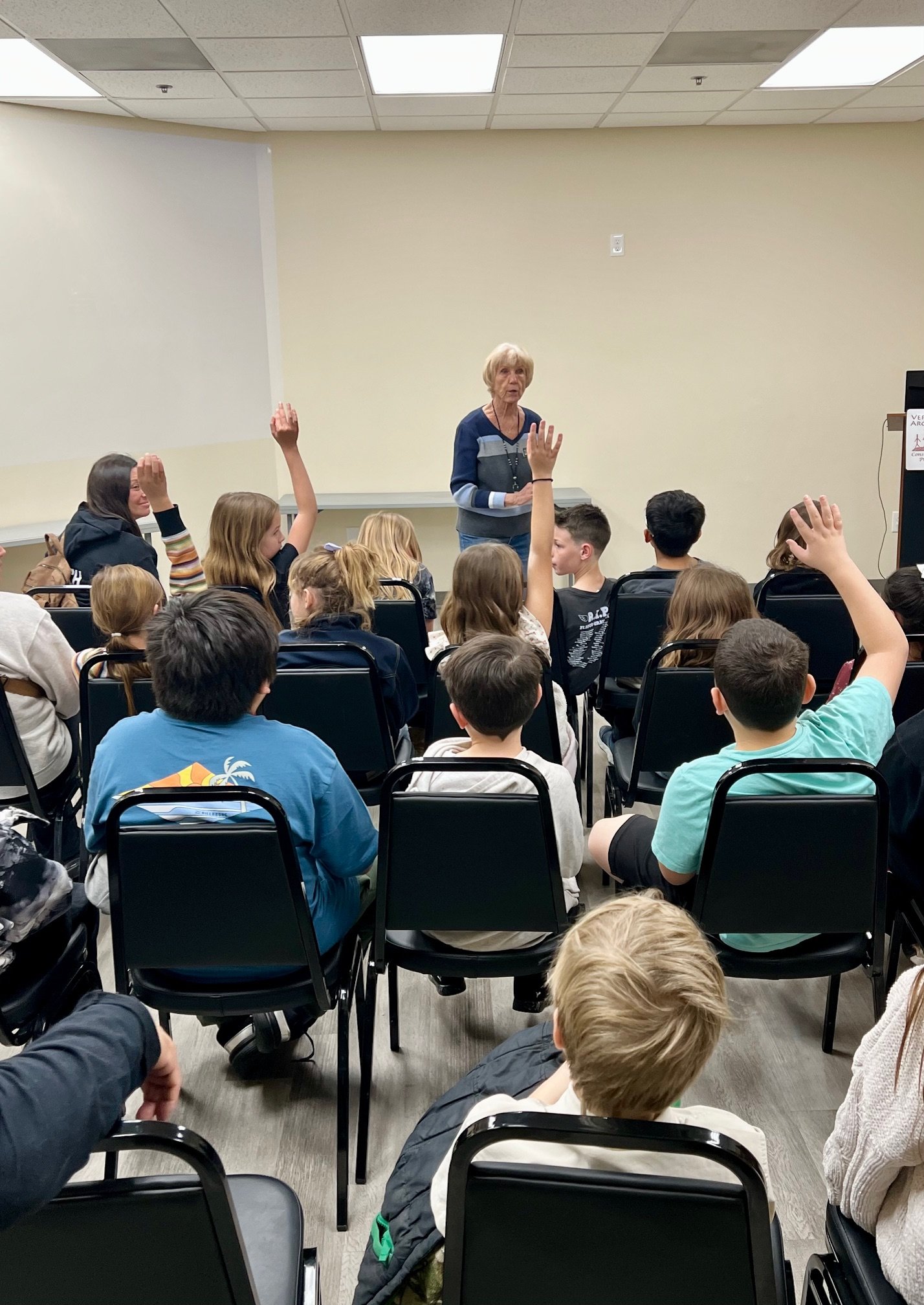
Anderson presented an orientation slideshow to the students, introducing them to archaeology, the Hisatsinom (Sinagua) culture, various sites in the area, artifacts (specifically pottery, lithics, and rock art), and protecting artifacts.
The students were then divided into two small groups. One group started with a hands-on pottery identification workshop with Anderson with the help of other VVAC volunteers. The students were each given a sherd with a design from different ancestral communities in Northern Arizona. They compared it to photographs of restored vessels, allowing them to envision that what they’re holding was a piece of a larger whole. Then they matched their sherd with a corresponding photo that listed the sherd type and date range of when it was made.
Anderson then discussed timelines with the students and helped them think of significant events in their lives, like the year they were born and started school, to further their understanding of the concept. The students then placed their artifact and photo on the corresponding area of the timeline. Anderson said that this activity gave the students a sense of when the artifacts were made and an appreciation for how long ago that was.
“Working with kids and seeing them learn is an exciting aspect of education,”Anderson said.
A former teacher and principal, Anderson tailored the workshop to suit the students’ learning abilities in the third-grade age range. She is also passionate about archaeology and enjoyed being able to continue both archaeological work in the lab while teaching children throughout these visits. Following the visits, she hopes each student gains an appreciation for the place they call home and the cultures that lived here before.
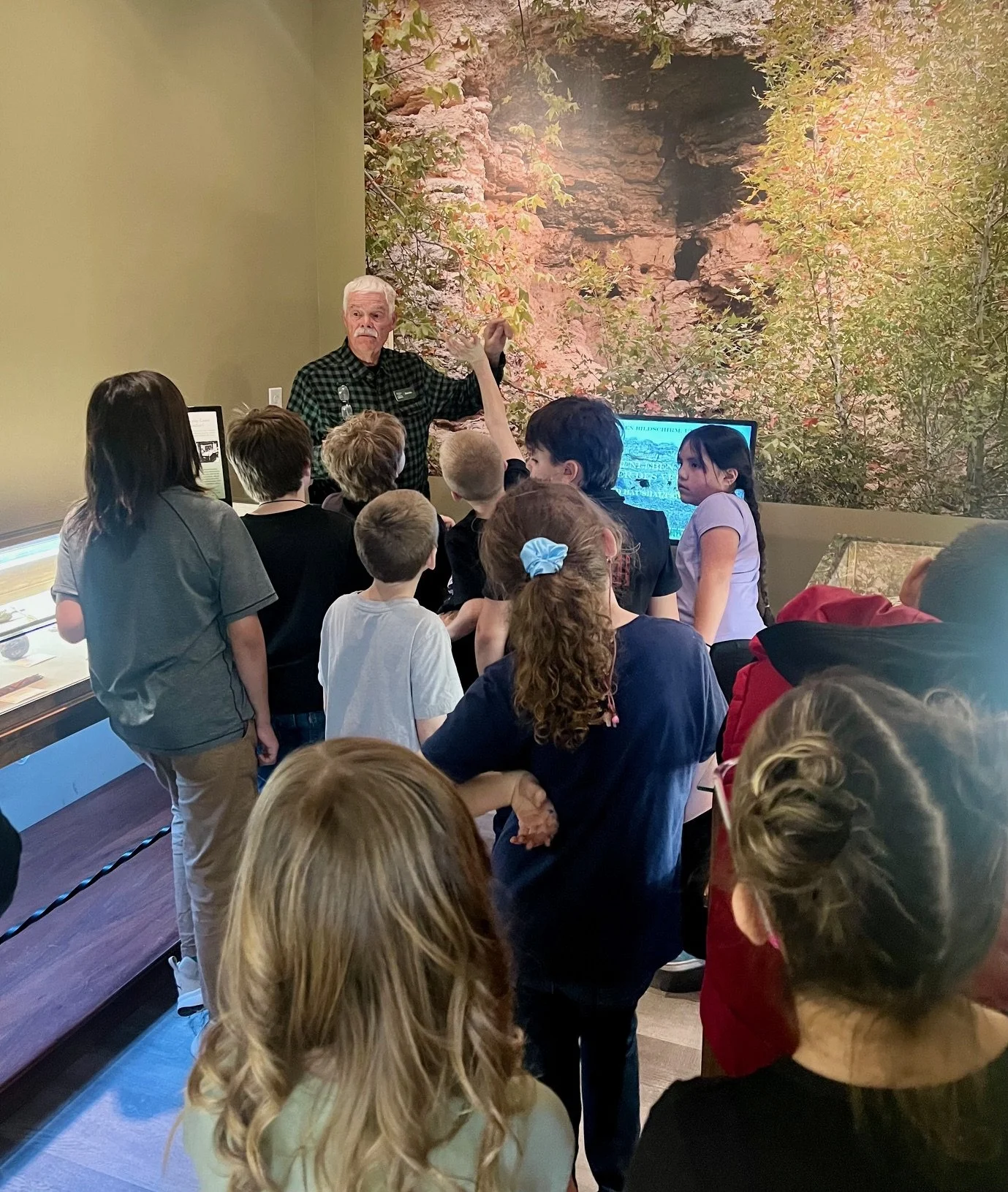
Buckle and volunteer docents took another small group on a gallery highlight tour that correlated to the pottery workshop. The students gained a better understanding of the trade of pottery and artifacts in the Dyck Collection that relate to pottery. The students gravitated towards the gems and minerals in the Blue Valley Gallery, especially the salt from the Camp Verde Salt Mine.
“We get wonderful visitors coming throughout the space all the time, but there's nothing like seeing kids respond to certain cultural items or topics,” Buckle said. “It’s exciting to see enthusiasm from the kids. I always love questions that kids have because they're coming from a different perspective.”
Buckle related the artifacts in a way that made them approachable and helped the students grasp that the past isn’t so far removed from them. Using artifacts from the museum, Buckle explained that the prehistoric peoples of the Verde Valley played different ball games like people today. She showed the students a small, split-twig figurine that may have been a child’s toy, linking the children from 900-1200 years ago to the children present in the museum.
“They loved seeing everything that we've been trying to expose them to in the classroom,” teacher Wendy Tucker said. “Kids don't understand how different things were and how things change over time. That's a hard concept for them to understand. They're just assuming it was always like this, that we were always here.” She explained that being able to physically see artifacts related to the concepts they’ve been learning really solidified their understanding.
The third-grade classes have been learning about how Arizona has changed over time, starting with the first peoples in the area and what types of dwellings they lived in, what they ate, what resources they used, etc. and moving into present-day cultures. Some students are Native American and could make those connections in the museum space and have their cultures be recognized.
“It’s very important to understand where you live,” Tucker shared. “Our state is so diverse, with the geography and the people and its history, but many kids don't actually get to go and see these things.”
The third-grade class has gone on other field trips and will be going to Montezuma’s Castle to walk through and experience where these past peoples lived to further bring what they’re learning to life.
“It was great to see their spark of interest, their love of learning, and make them more excited about where they live and the beauty of it,” Tucker said.
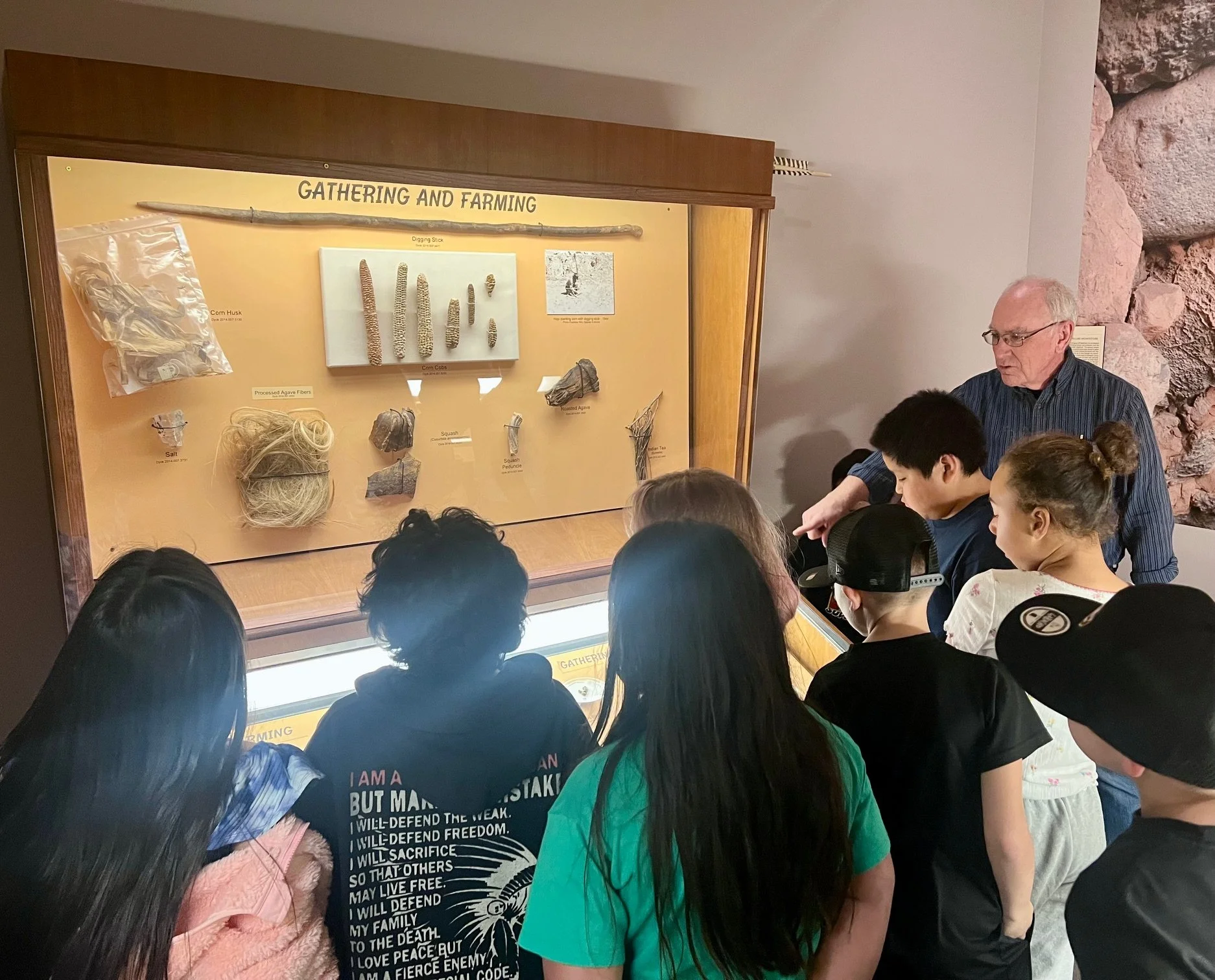
“Learning is something that we all share,” Buckle said. “We never stop learning in life. One of our tenets in VVAC's mission is education, and education for all ages. It doesn't matter if you're in third grade or you're going on 90, we're here to facilitate and foster learning.”
VVAC works with public, private, and homeschool groups, as well as elders and people from different care homes. The museum can accommodate anyone’s learning background. Last year, VVAC even hosted field trips virtually for a fourth-grade class in Pennsylvania.
“I cannot thank Wendy Tucker enough who spearheaded this whole initiative,”Buckle said. “I couldn't have done this without Jan Anderson and the immense help of the volunteers who assisted us with the tours and in the lab. A thank you to CVES’ principal, Jaclyn Campbell. I look forward to future partnerships and hope that we can continue different programs for other grades.”