Serving in Stewardship with the Arizona Master Naturalist Association Central Highlands Chapter
The Verde Valley Archaeology Center is an official sponsoring partner to the Central Highlands Chapter of the Arizona Master Naturalist Association (AZMN). In joint stewardship and appreciation of the land and its history, VVAC supplies local expertise and resources, while AZMN provides exposure and opportunities for the museum.
The Arizona Master Naturalist Association is a statewide nonprofit organization that trains volunteers to provide leadership and service in education, citizen science, and stewardship of natural and cultural history. The Arizona Association was founded in 2014 and in 2025 alone, the AZMN’s 230 members volunteered more than 25,000 hours across the state.
“The statewide program is like this beautiful spider web in the sunlight, and as the sun hits more and more of it, it just keeps growing,” said Chris Schneider, President of the Arizona Master Naturalist Association. More than 30 states have Master Naturalist programs and there are four chapters within Arizona.
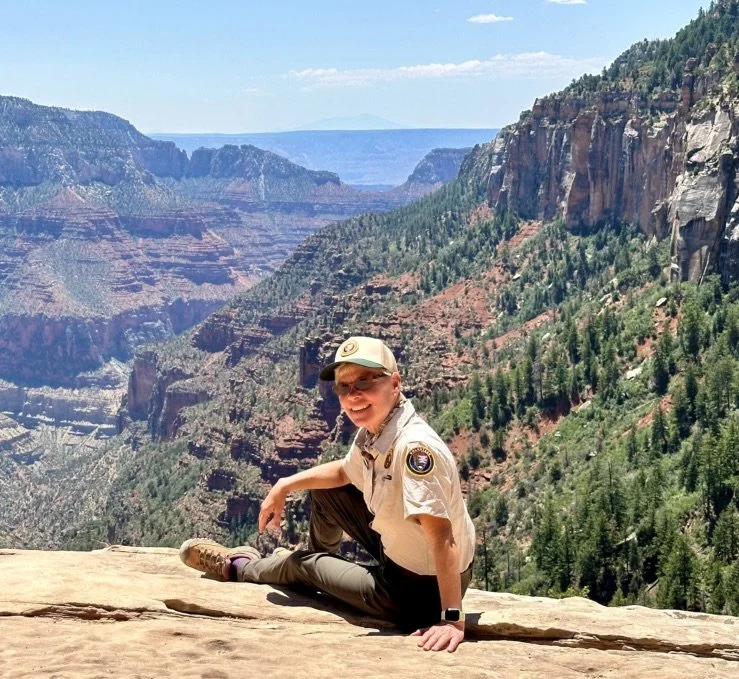
Chris Schneider, President of the Arizona Master Naturalist Association
“All of us have a collective curiosity and a respect for the natural world and the cultural worlds,” continued Schneider. “We want people to find out what their niche is, and then pay it forward through volunteering. Life is about giving of yourself in the areas that you believe in, and when you do that, it really brings joy.”
The Central Highlands Chapter, which formally launched in 2022, encompasses the Central Arizona Highlands eco-region, a 300-mile long area that includes Sedona, Clarkdale, Prescott, Prescott Valley, and other towns in the Verde Valley.
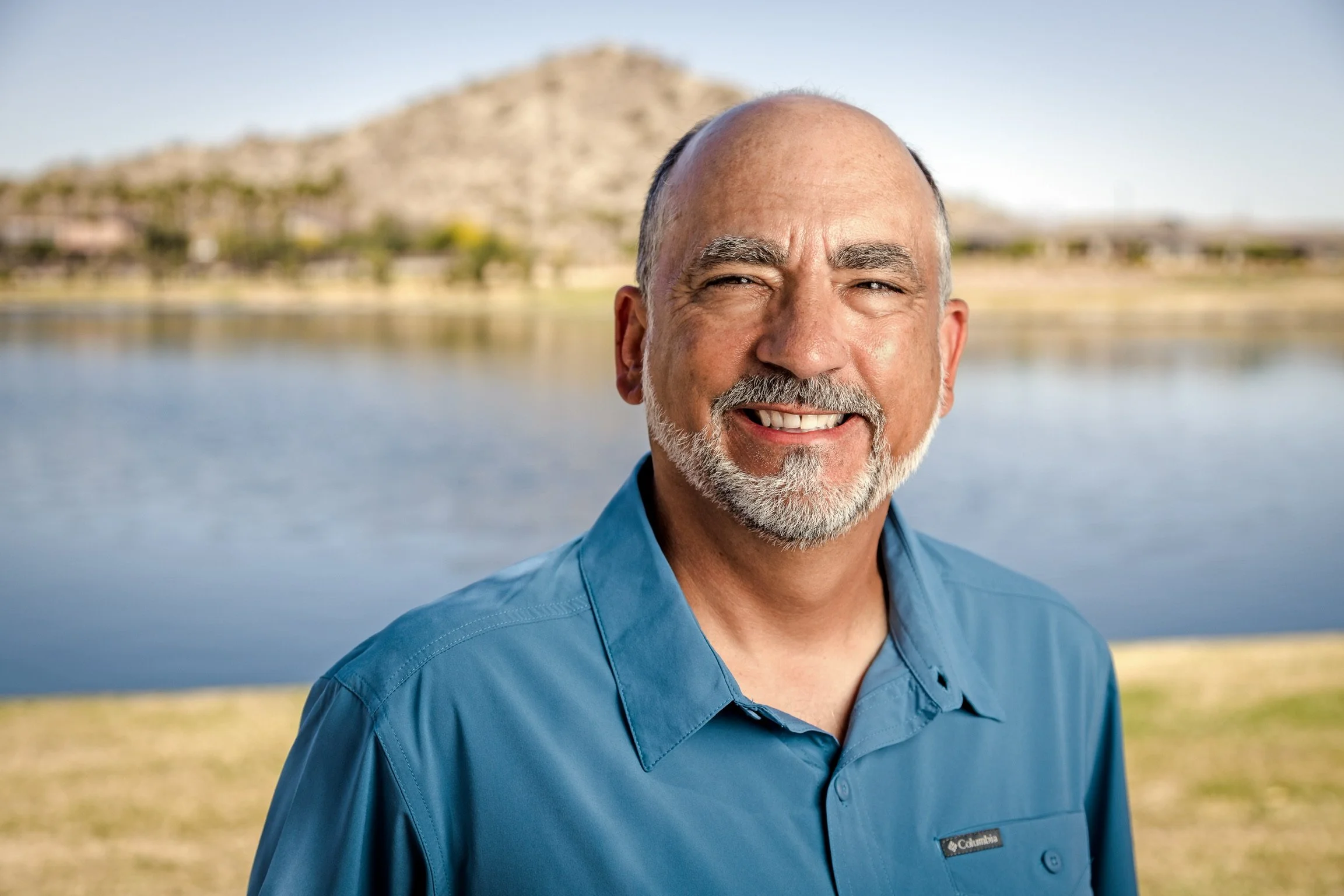
Jim Presley, Chair of the Central Highlands Chapter
“It's a program that's all about learning in order to serve,” said Jim Presley, Chair of the Central Highlands Chapter. “Being a Master Naturalist starts with a love or appreciation for natural history and cultural history, but it's that love that leads you to want to care for, protect, and share the amazing story that you've learned with others, so that they can also care for and protect those same things. Our program provides a framework or a tool to take loving something into action.”
Certification
The Central Highlands Chapter currently has about 35 members and grows each year when they welcome a new cohort to take their course in January. The course launches a four-month journey involving classroom instruction, field labs, and a capstone project. Coursework spans physical, biological, and applied sciences, from geology, zoology, to conservation and restoration techniques, as well as human elements like cultural resources and human history.
In the Central Highlands Chapter, the coursework is primarily virtual to reach the region’s broad scope, where participants are located anywhere from Prescott to Sedona. Alongside the 45 hours of classroom training, participants must complete at least 15 hours of field lab time where they're practicing what they’re learning in a hands-on, direct way at different regional venues.
“I think we're all kids at heart,” said Schneider about the field labs. “That little one is always within us, and for most people, hands-on learning is the most engaging way to learn.”
Following completion of the course, participants must do 20 hours of volunteer service for their initial certification as an Arizona Master Naturalist. As part of their ongoing commitment, Master Naturalists are required to do volunteer service and advanced trainings each year. Since 2022, the Central Highlands Chapter volunteers have given nearly 17,000 service hours to different natural history and cultural history organizations in the area.
While the chapter builds a volunteer workforce, they’re also building a larger community that inspires. When taking the course, volunteers work together and motivate one another, forming close friendships through learning and serving with one another.
Impact
The chapter works on a wide scope of projects centered on their pillars of education, stewardship, and citizen science. For example, they created nesting boxes for American kestrels and assisted Arizona Game & Fish Department with banding, built erosion-control structures and restored riparian habitats with Prescott Creeks and Prescott College, and led pronghorn corridor research with the Central Arizona Wildlife Association.
The group does a lot of youth engagement work and has been leading a science-themed program twice a year with Granville Elementary School in Prescott Valley. Last spring, they focused on birds and butterflies and taught students how to use bird identification apps so they can continue learning outside of the classroom. For the first time last year, the school scored all their points in science at the state level, elevating the school’s rating to an A.
“We felt very proud to be a contributor,” said Schneider. “The principal thanked us as one of the contributors to making that happen. We've been doing this now for four years there, and it's making an impact.”
Partnering with VVAC
Schneider and Presley heard of VVAC from VVAC's Board Treasurer, Brian Harrington, who is also a Master Naturalist. After seeing VVAC in action over the past couple of years and understanding how vast their eco-region is, the chapter sought a sponsor organization outside of Prescott to better serve the entire area.
The chapter benefits from the partnership “not just from having a physical presence, but it helps our folks that live in that area to feel like they have that kind of sense of chapter home or host,” said Presley. They also benefit from tapping into VVAC’s network of professionals who can provide advanced training opportunities for members and supplemental education for coursework.
In the partnership, AZMN supports VVAC by helping to widen the museum's audience and spread visibility throughout the state, and brought around 20 chapter members to our latest garden workshop.
“VVAC's network has now extended to a wider demographic in the state of like-minded individuals who may not have known of the organization before, but are now aware of all the museum's dynamic programs, which broadens VVAC's horizon and impact,” said Monica Buckle, VVAC’s Executive Director.
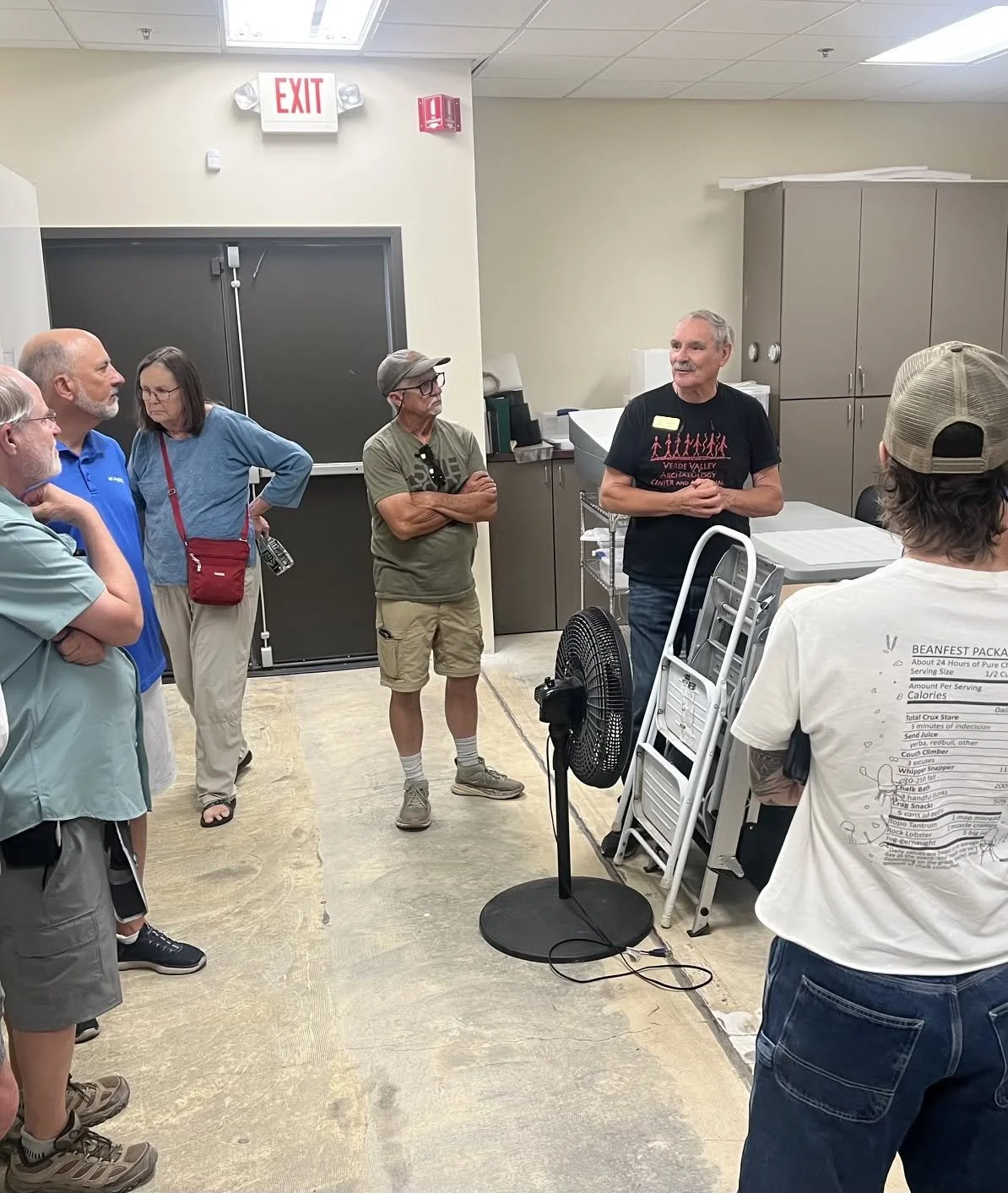
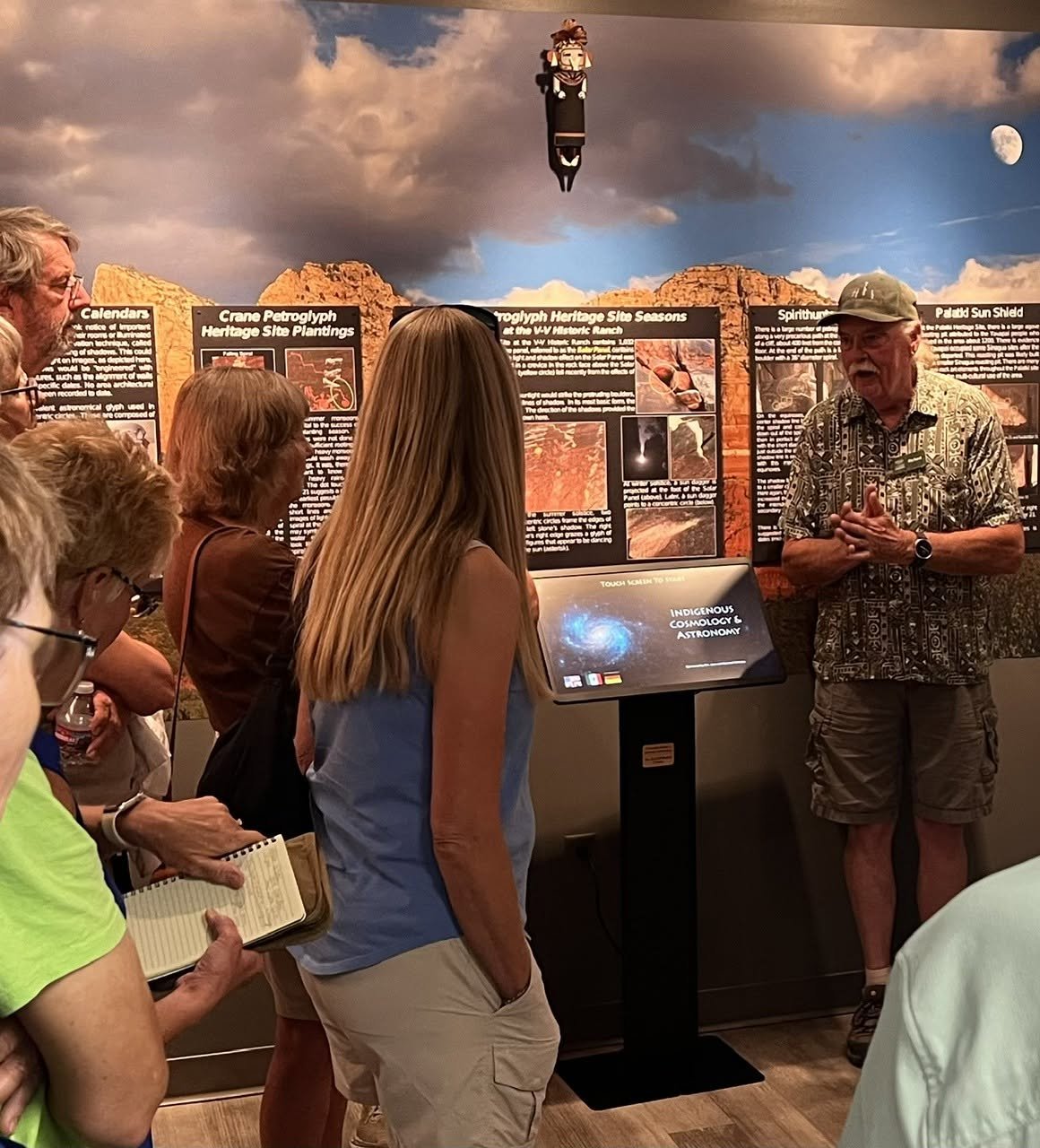
As part of the Mogollon Highlands Festival hosted by the Natural History Institute in Prescott, the chapter reached out to the center to host a field experience and VVAC conducted a behind-the-scenes museum and repository tour. VVAC also hosted a tour just for chapter members followed by a reception, providing a place for people to socialize and further foster a sense of belonging.
“We look forward to what we can collectively create together,” said Presley. “We have some of the same values and vision of the natural world and the historical world we want to help, and we’re excited by what we can do together.”
Get Involved
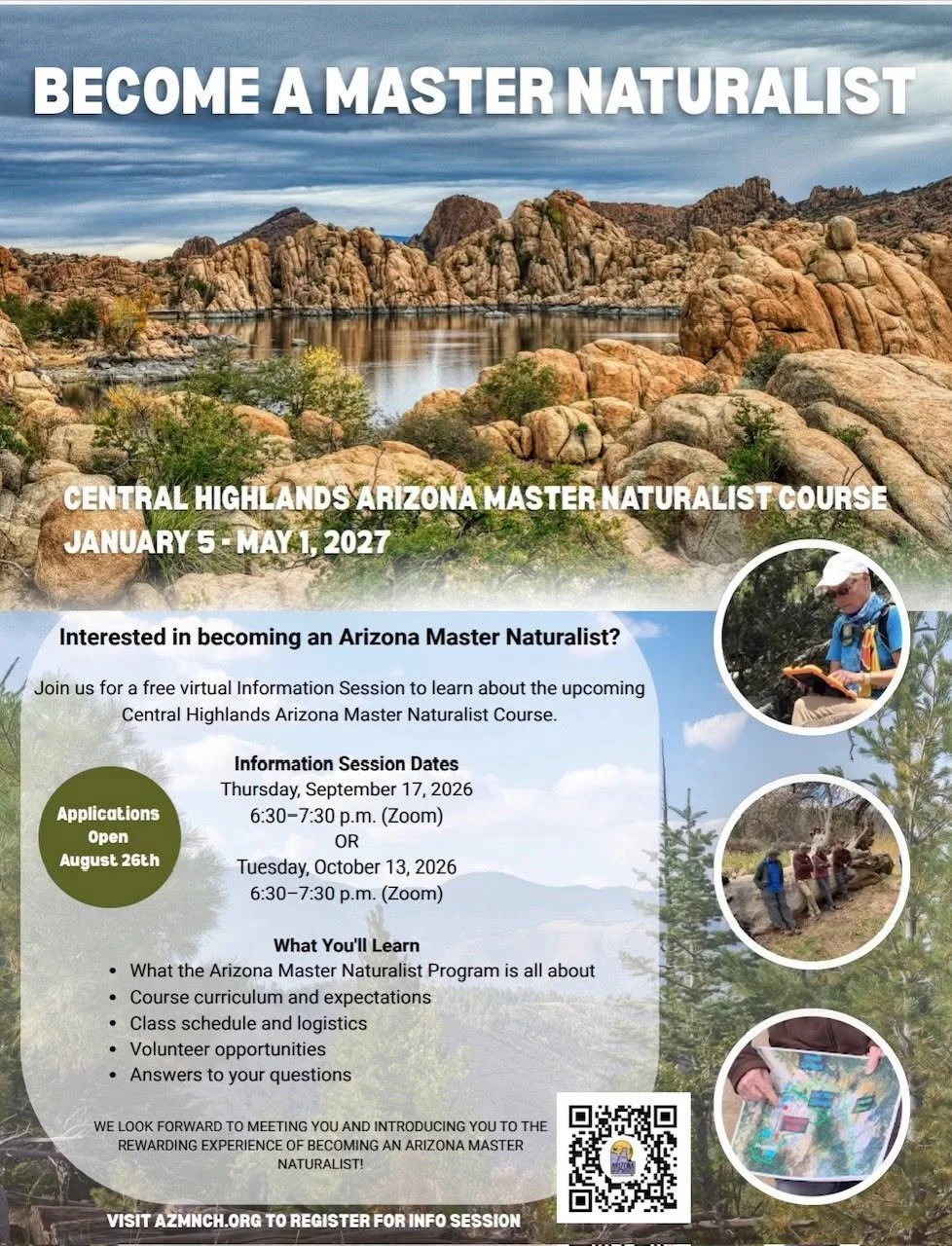
The AZMN Central Highlands Chapter course will start in January 2027 and run through April. There is a virtual info session on Tuesday, October 13th, to learn more about joining the program. Applications for the program will close on Friday, October 16th.
To sign up for the October 13th info session, click here.
To apply for the training course, click here.
To find more information, visit azmnch.org.