VVAC’s 2025 Year in Review
In 2025, the Verde Valley Archaeology Center and Museum celebrated our 15th anniversary while delivering another year of engaging programs, strengthening community collaborations, and advancing our mission to educate, conserve, and preserve local history right here in the Verde Valley.
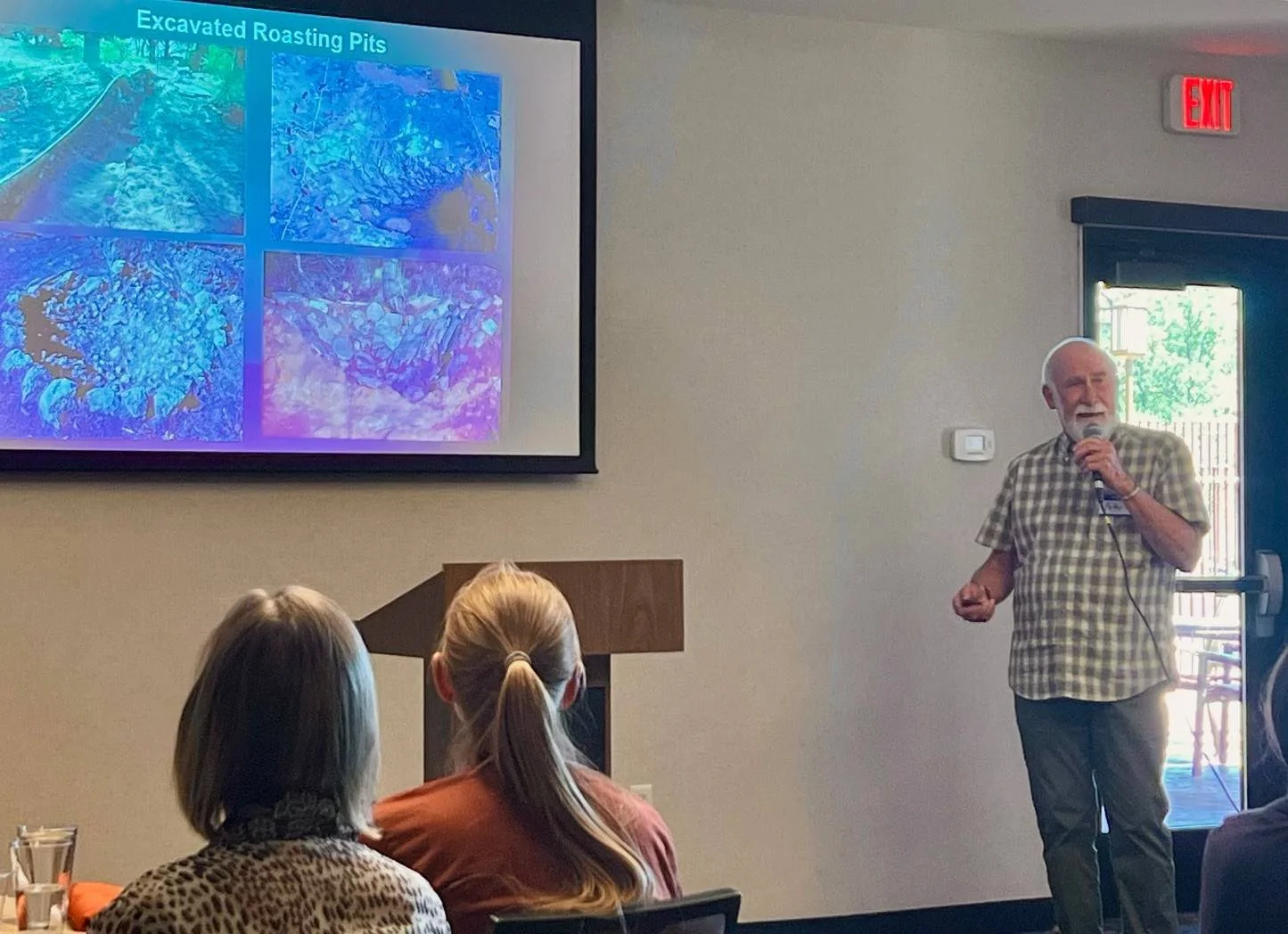
Throughout the year, our lectures were constantly at capacity. Presentations like Peter Blystone’s talk on the rock art of the Arizona Chevelon Plateau and Michael Kellett’s talk on the petroglyphs of West-Central Arizona filled every chair in our meeting space, while Peter Pilles Jr.’s talk about the pictography of Sedona’s red rocks brought a crowd to Courtyard Sedona.
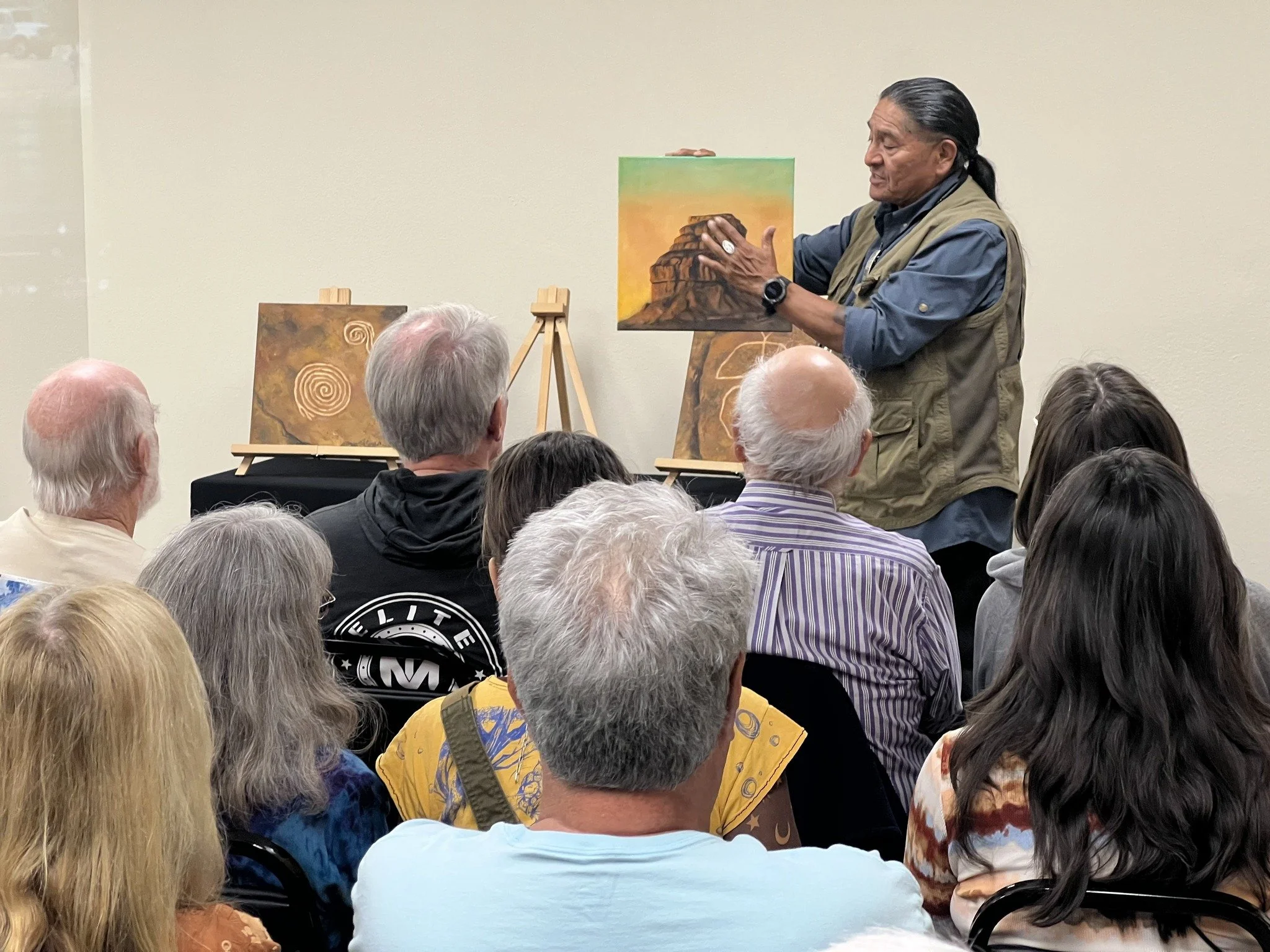
As stewards of Native American artifacts, it is imperative that we amplify modern Native American voices with our programming. In November, Filmer (Makwesa) Kewanyama gave a talk about the Hopi connection to the Grand Canyon to a packed house. By hosting a diverse range of speakers and events, we aim to foster cross-cultural discussions while furthering understanding that Indigenous cultures are thriving and that their history is ongoing.
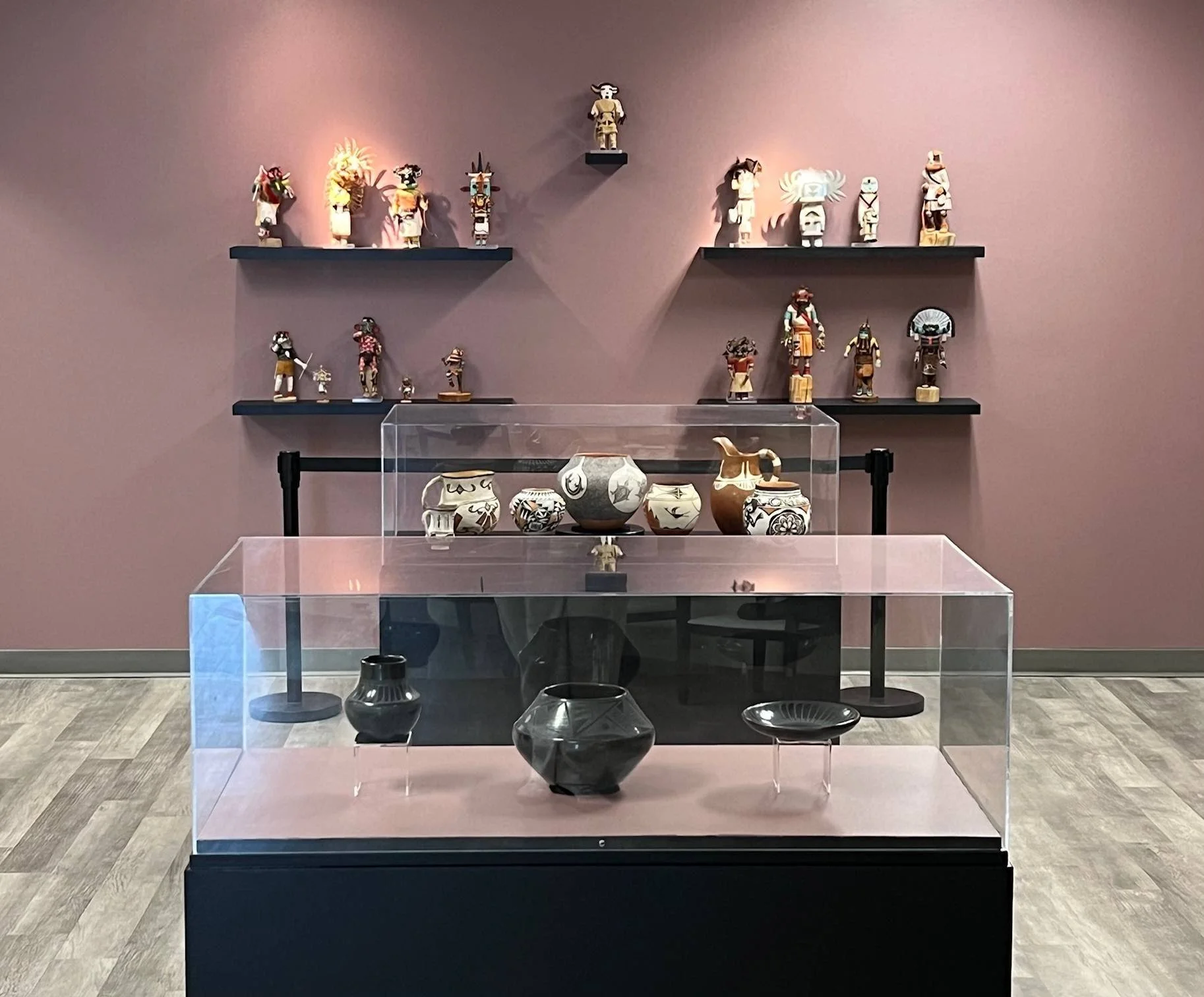
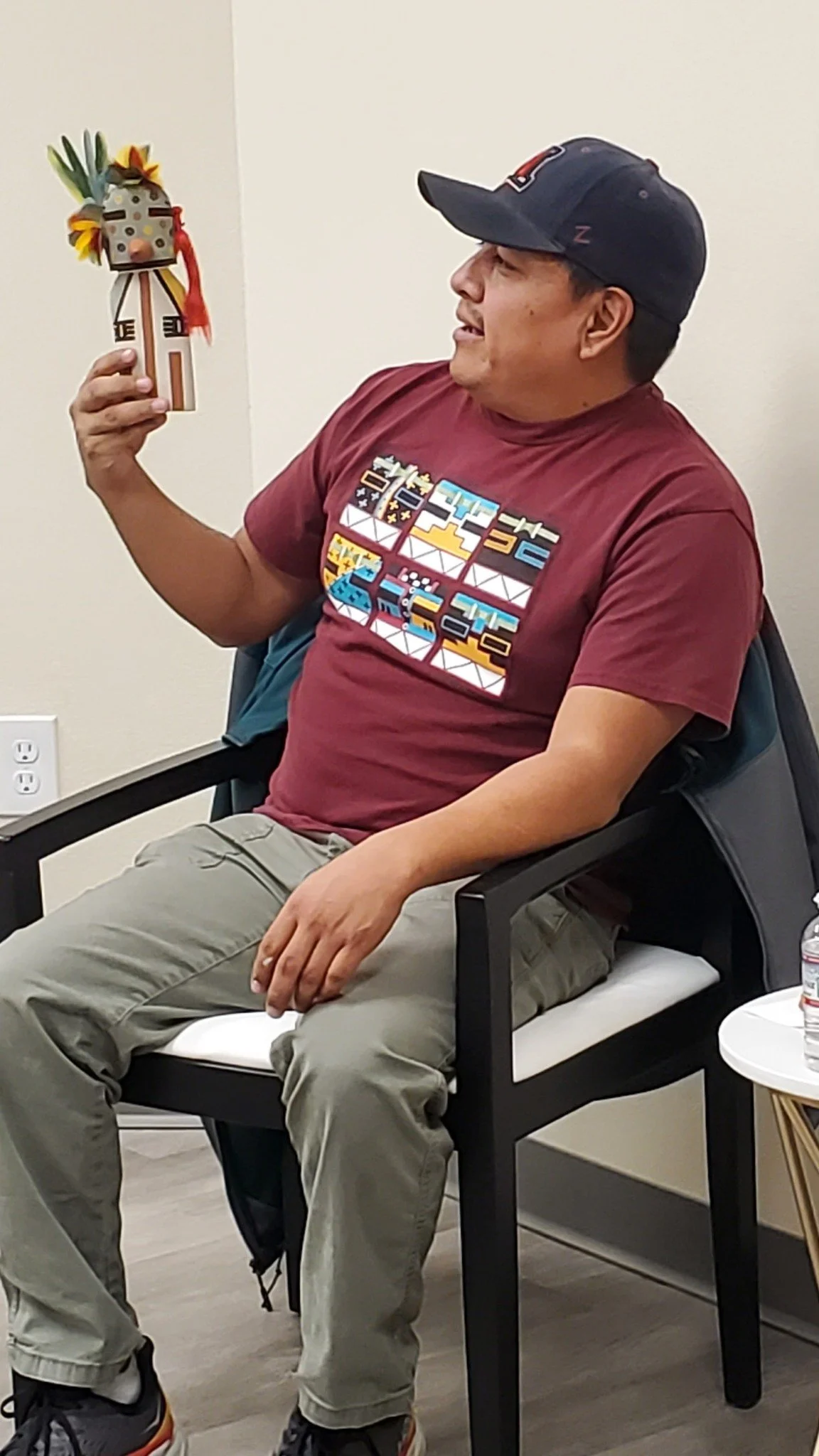
We further uplifted contemporary Indigenous perspectives when we opened our Indigenous Arts exhibit on loan from the Tucson Museum of Art in March. The walls of the main gallery space were filled with paintings, pottery, and katsina dolls by contemporary Native artists. Makwesa Chimerica, a Hopi Katsina Carver, wrote a reflection that accompanied the wall of katsinas and served as a guest presenter in a conversation with VVAC’s Executive Director Monica Buckle on katsinas.
We strive to have exceptional programming for our members. We welcome in each new year with our annual membership meeting followed by a fun and informative presentation, which was a talk by R. E. Burrillo on the archaeology of the Greater West Verde Area of Central Arizona.
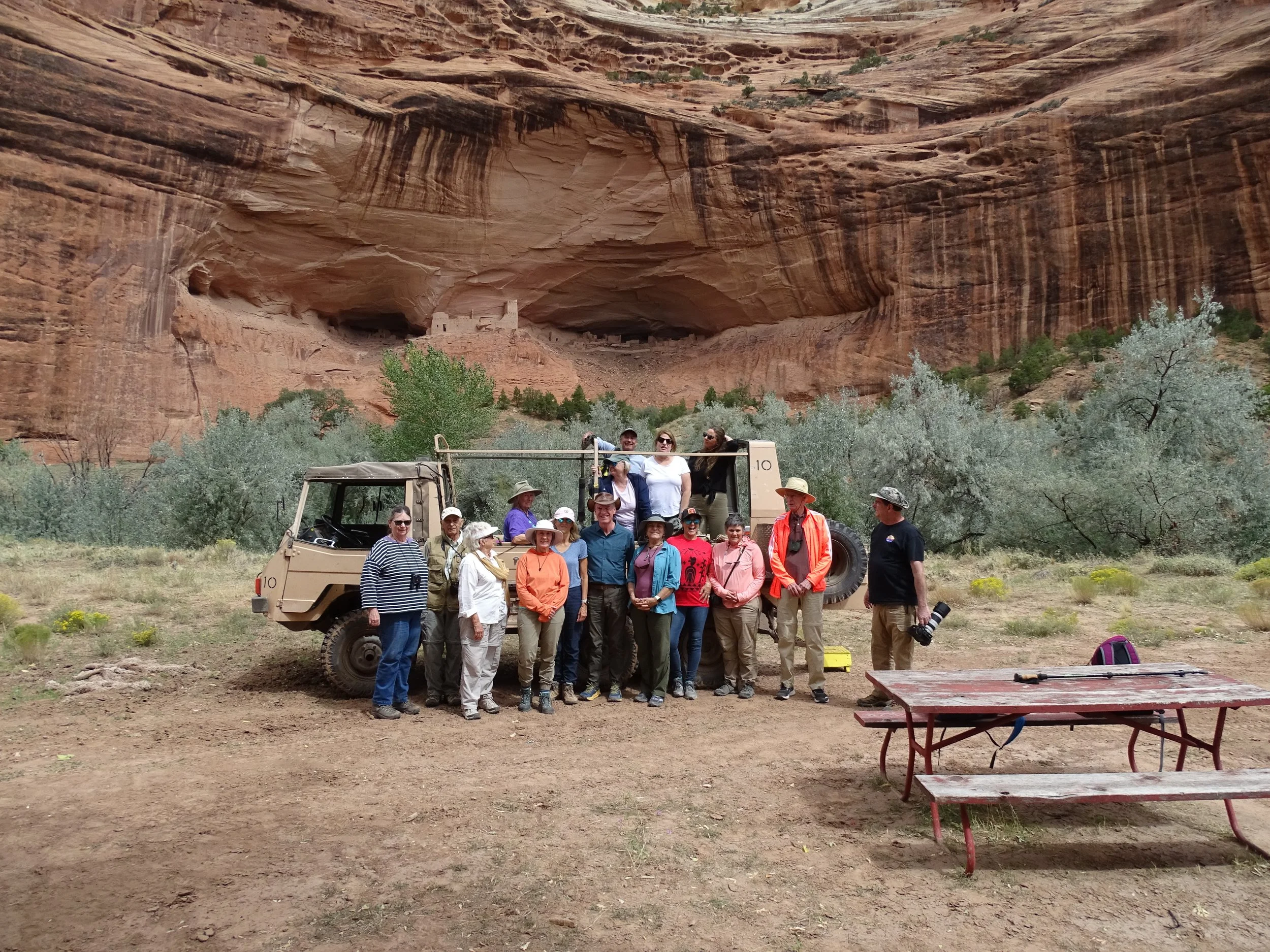
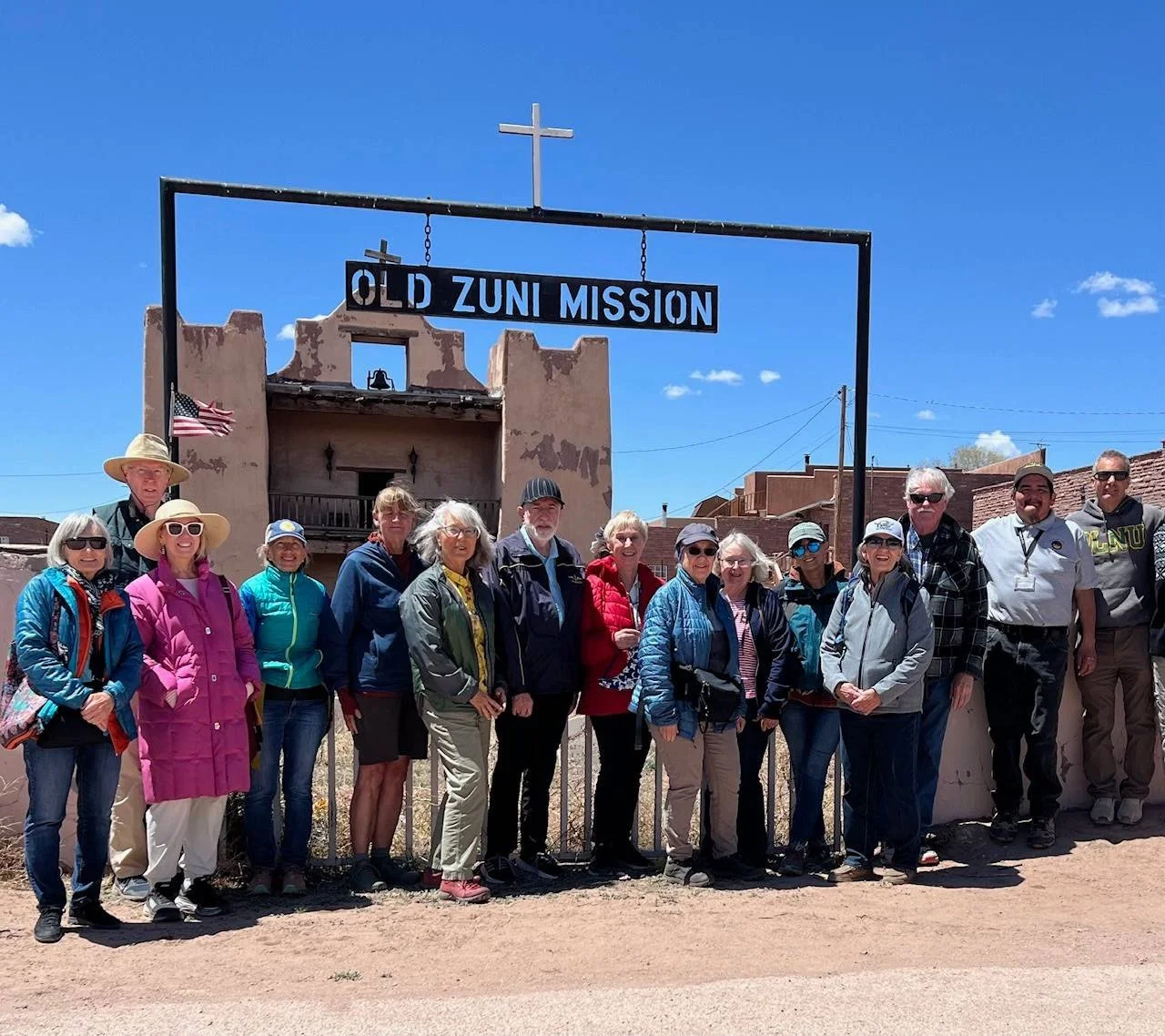
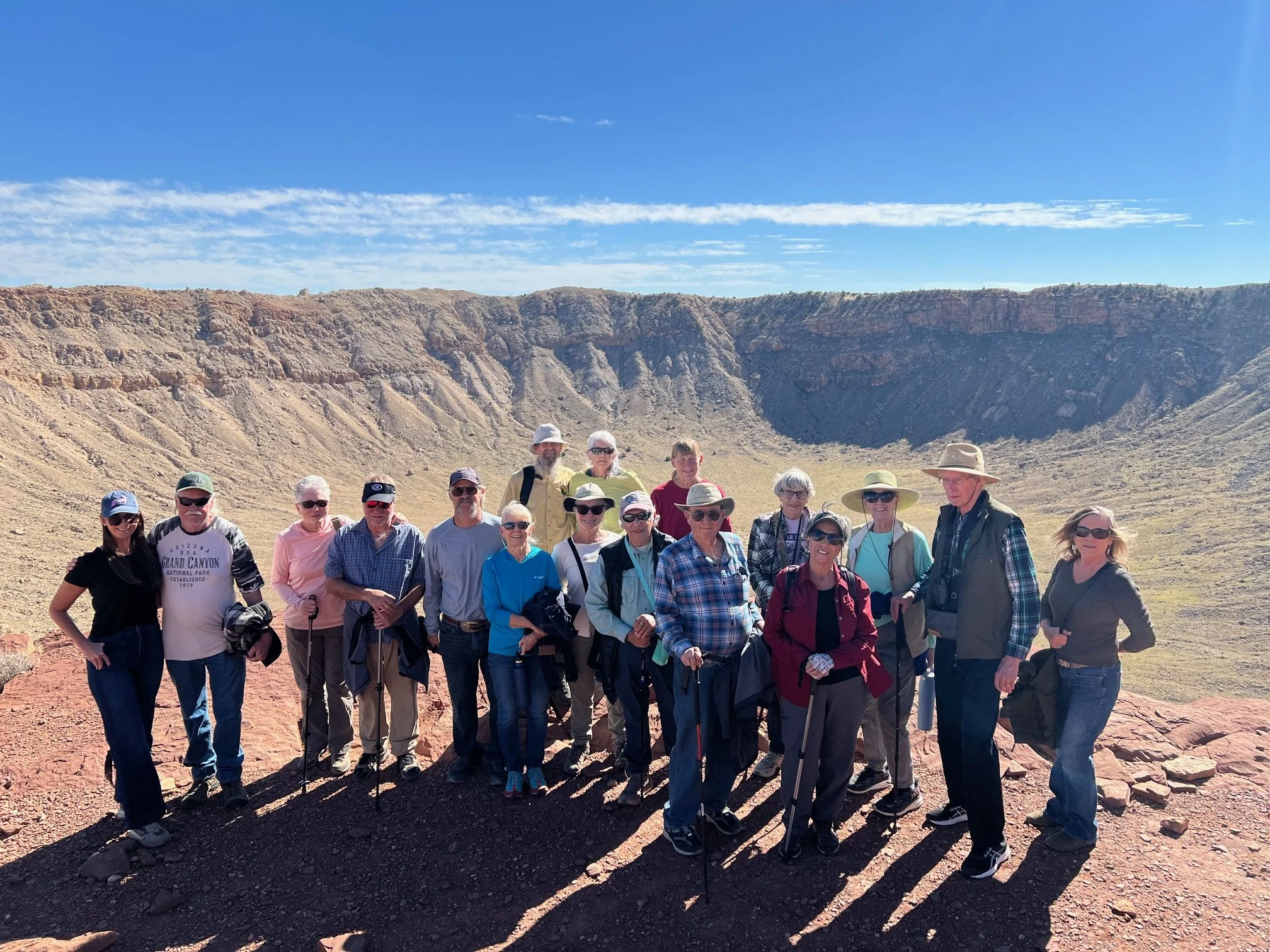
Our hikes and excursions, co-led by Richard McGaugh, are only open to membership and fill up just as quickly. Only a few years prior, our trips were open to non-members, but Buckle felt strongly that members had exclusive access because of the increasing interest in our excursions.
A core tenet of VVAC’s mission is education, which extends beyond the physical museum space and into our membership and programming. At VVAC, we aim to provide educational excursions for our members, all while encouraging visiting with respect.
This year, our members visited a wide range of sites, including both Canyon de Chelly National Monument and Zuni Pueblo, both of which have an active and thriving Native American presence. Members got a glimpse of historic archaeology at Lowell Observatory, and hiked to Veit Springs in Flagstaff, and got a behind-the-scenes look at Meteor Crater.
“At the museum, we practice the ethos of visiting with respect, and it's important for us to implement that before we even get out onto the land,” explained Buckle.“It's wonderful that the members who join these excursions are already familiar with such terms and walk into a trip understanding that we're invited out to these sacred sites that are steeped in history.”
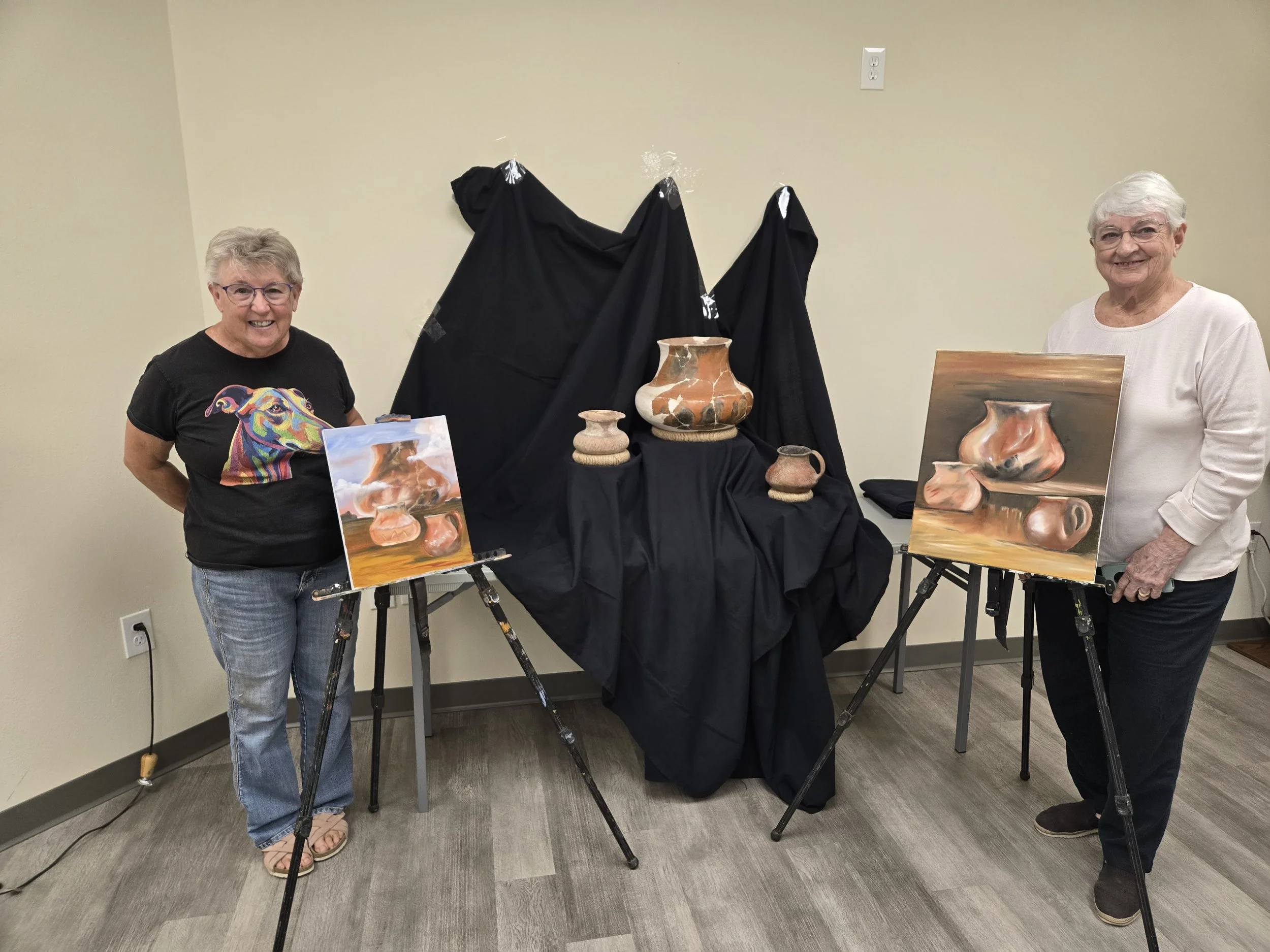
We host multiple courses each year, with Dr. James Graceffa’s “Prehistoric Pottery of the Verde Valley” returning this past October due to popular demand. Also in October, Sylvia Strobel taught a course on oil painting for beginners that allowed participants to lean into their creative side while appreciating Ancestral pottery from our repository. Additionally, we launched our series of online courses that anyone can sign up for and take at their own pace.
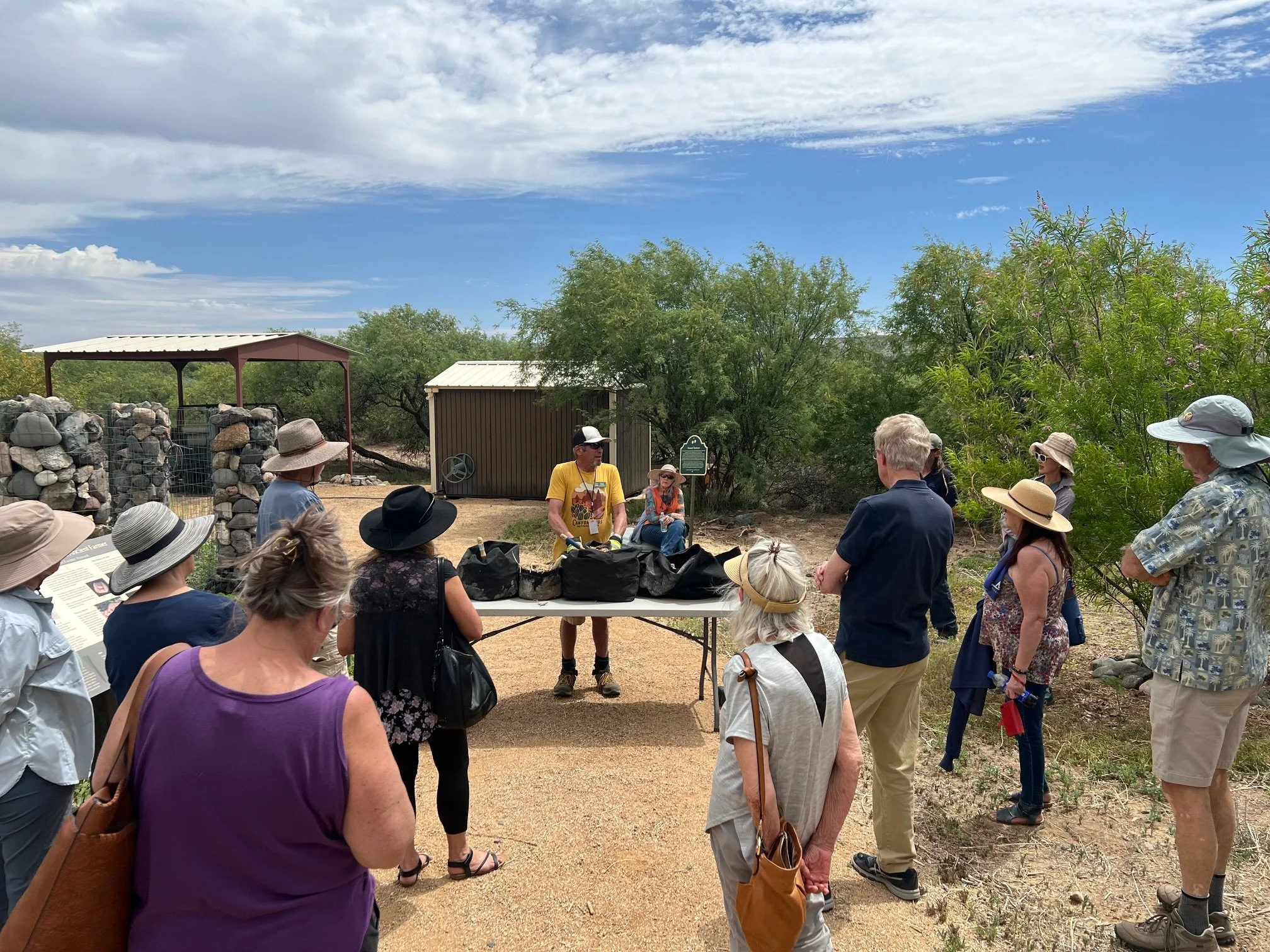
In May, we hosted our annual Native American Heritage Garden Open House with the new addition of an Economical Soil Improvement Workshop led by our Ethnobotanist Rob Estrada.
In the rapidly evolving digital era, VVAC adapted by installing interactive kiosks in four of our galleries, which were generously funded by donors. Not only do these kiosks enhance the museum experience, but they improve accessibility through subtitles and their multilingual capabilities.
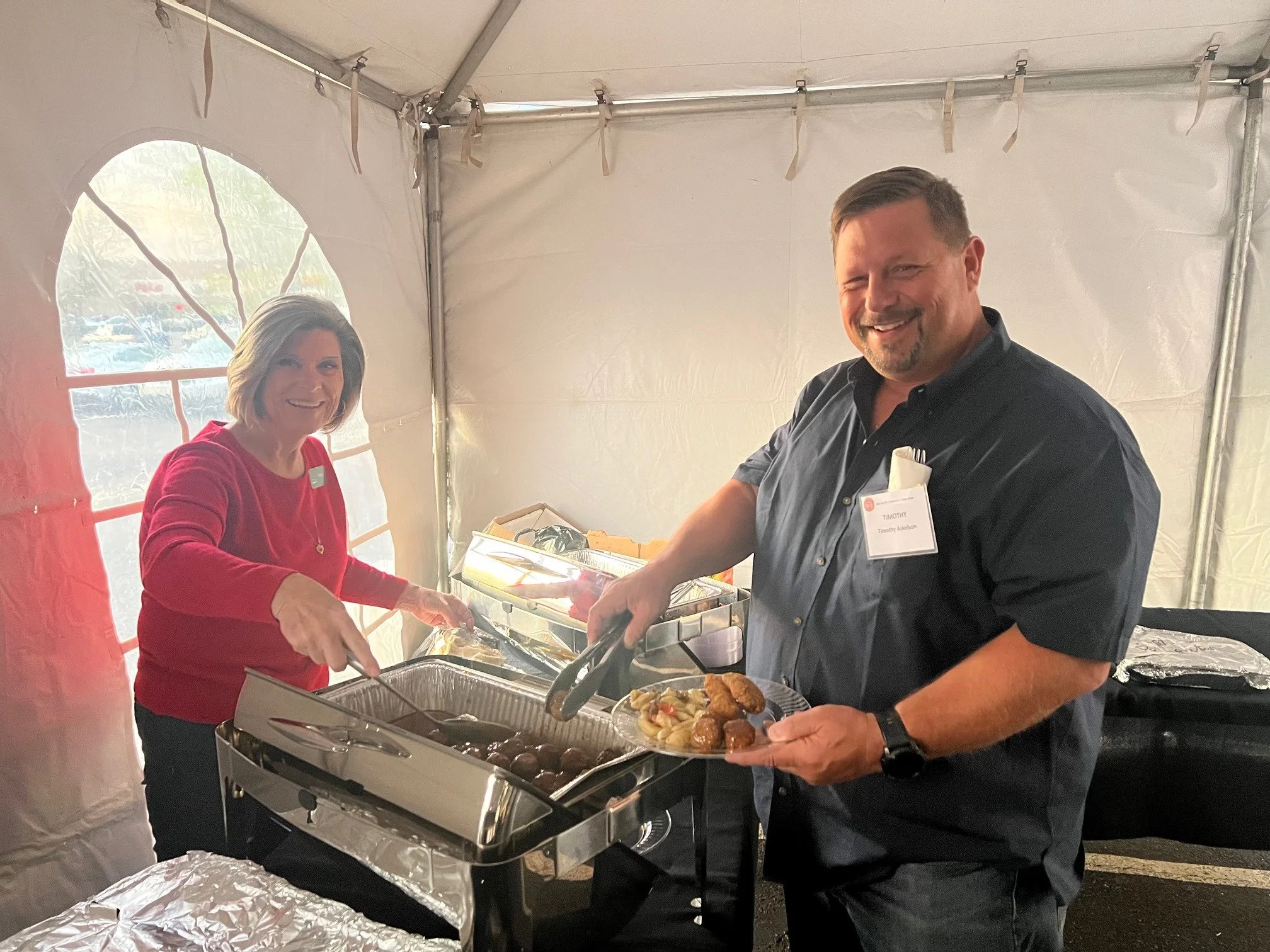
One of the most meaningful things that VVAC accomplished throughout the year was cementing the museum as a community anchor in both Camp Verde and the greater Verde Valley region. We offered our museum space to different organizations to host meetings and events, such as the evening mixer for the 2025 Site Steward Program Statewide Conference in April.
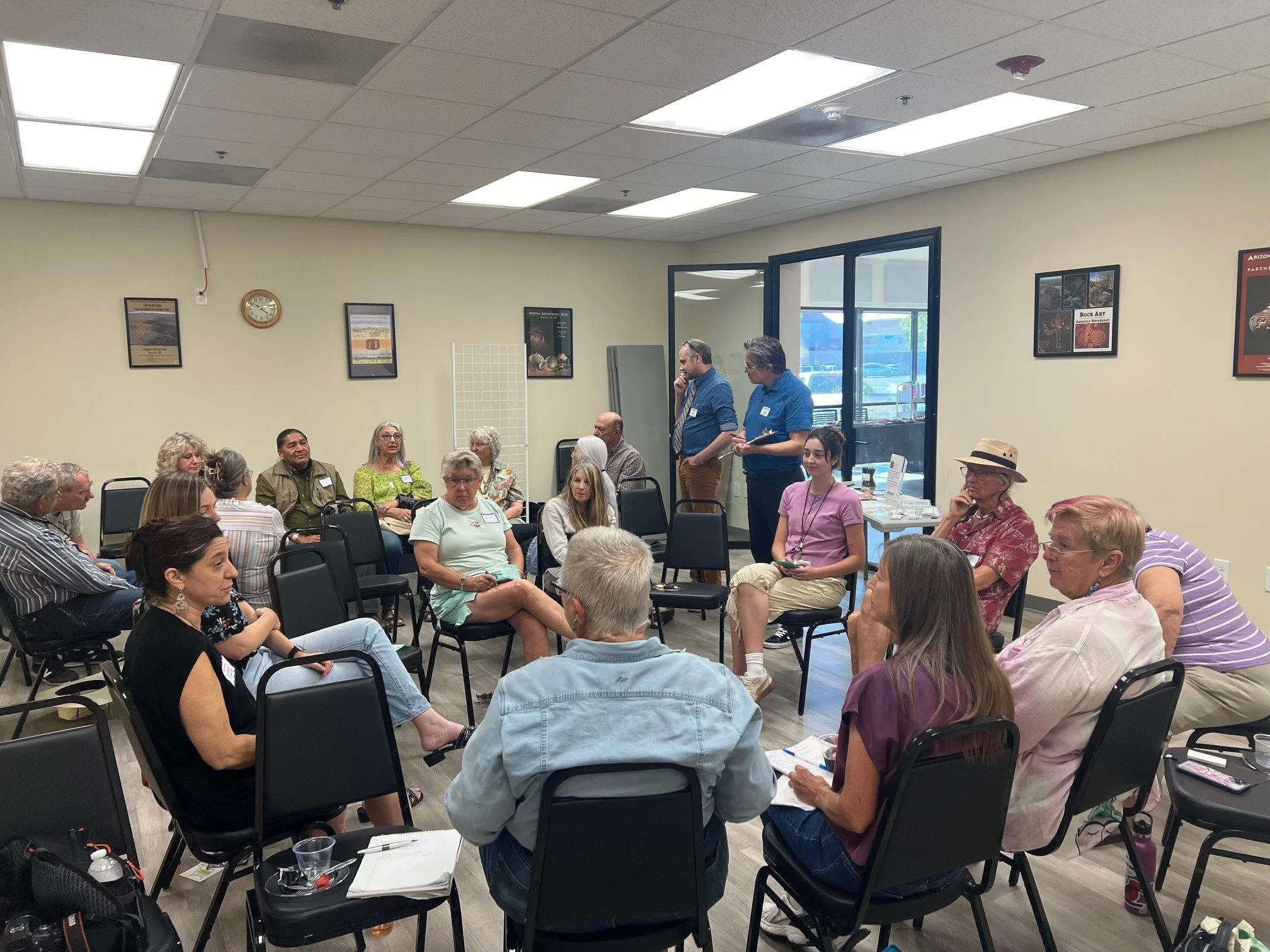
In July, we hosted a Community Conversation presented by the Arizona Commission on the Arts which encouraged participation from Camp Verde residents.
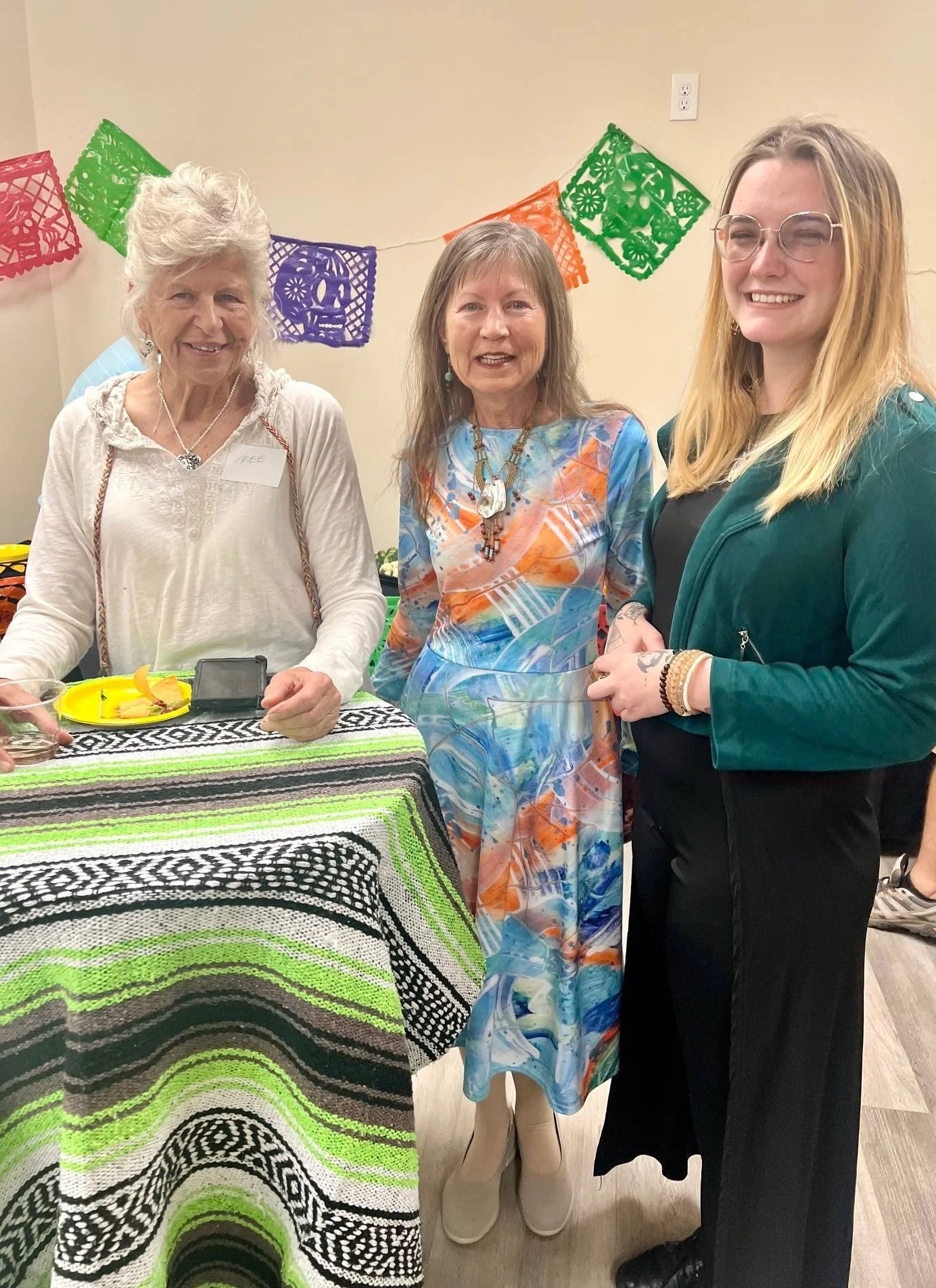
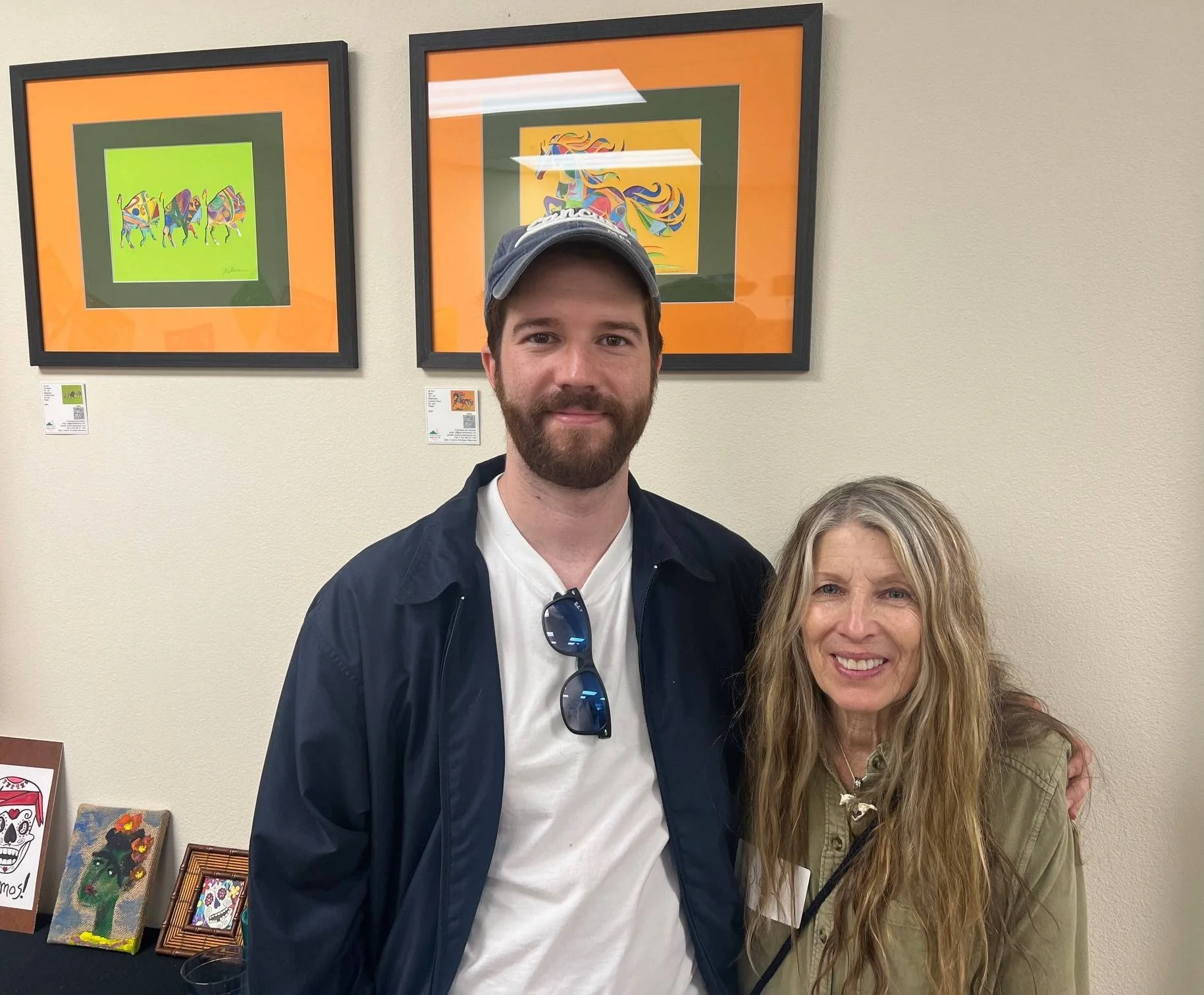
Further collaborating with community organizations, we transformed our meeting room space to exhibit art from the Camp Verde Artists Group in November that featured an opening reception. We are also in our third year of partnership with the Kiwanis Club of Camp Verde, hosting a toy drive for the Adopt A Family Program to help Camp Verde children in need. Donations of new toys will be accepted until Thursday, December the 18th.
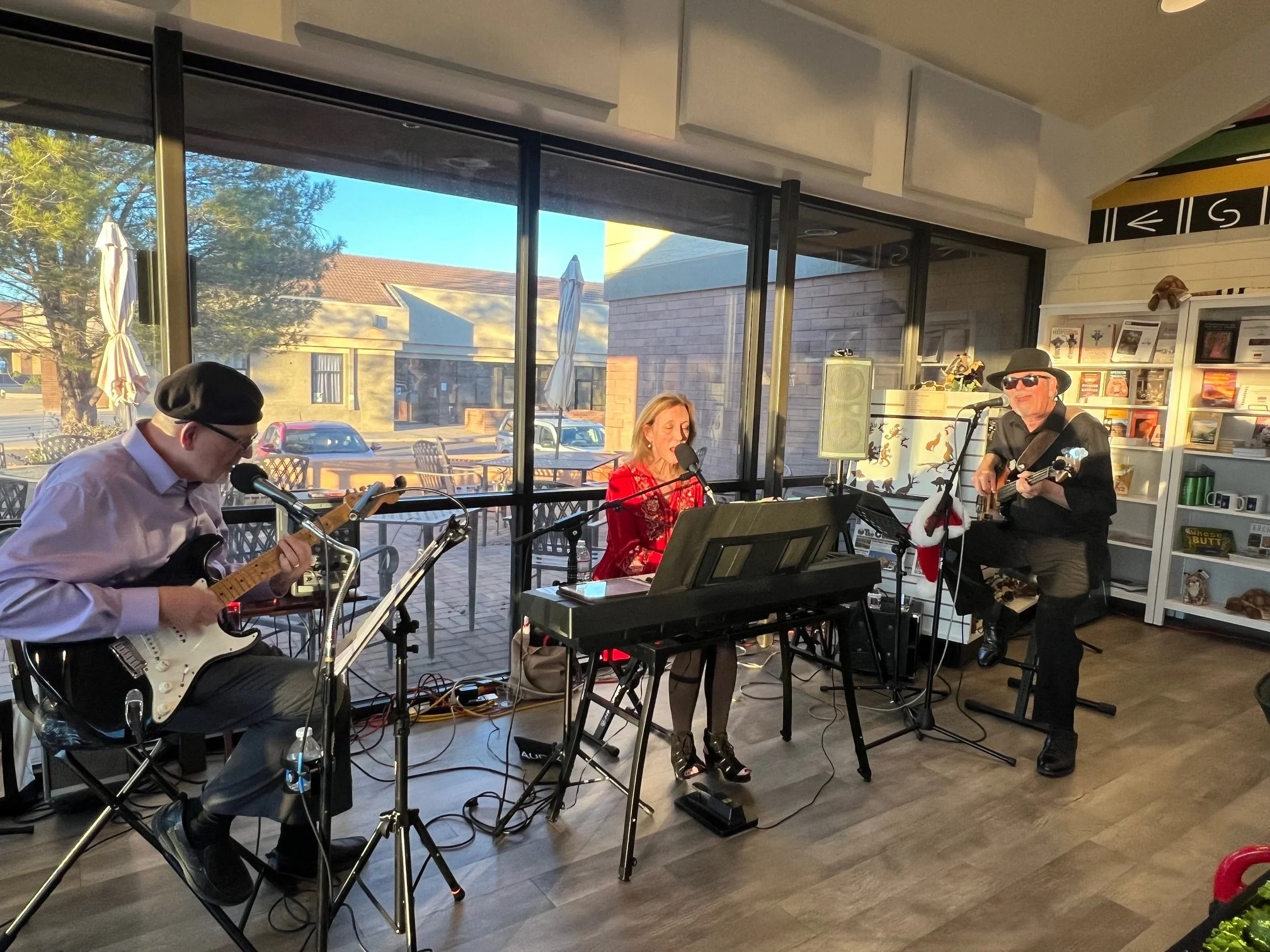
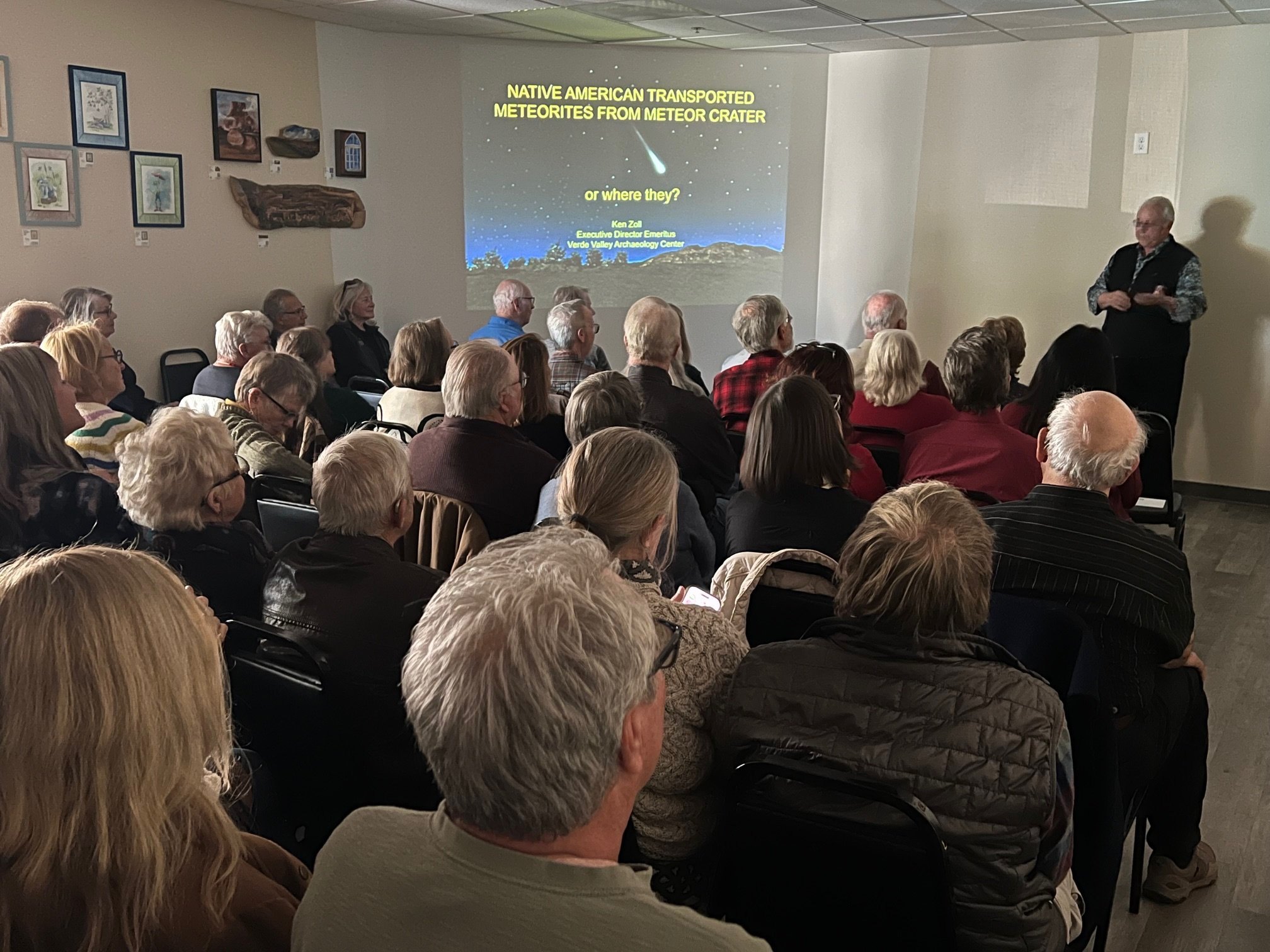
We wrapped up the year with our holiday party and a talk by Ken Zoll, VVAC’s Director Emeritus, on the use of meteorites by the ancient people of Arizona.
“This past year there were ebbs and flows with the economy and the political landscape,” said Buckle. “VVAC rose to the occasion during the government shutdown throughout the month of October when there was a need for more visitation by different groups.”
As partners with Northern Arizona University's Road Scholar Program, we accommodated various groups and squeezed in more visiting hours to provide an attraction for tourists and visitors.
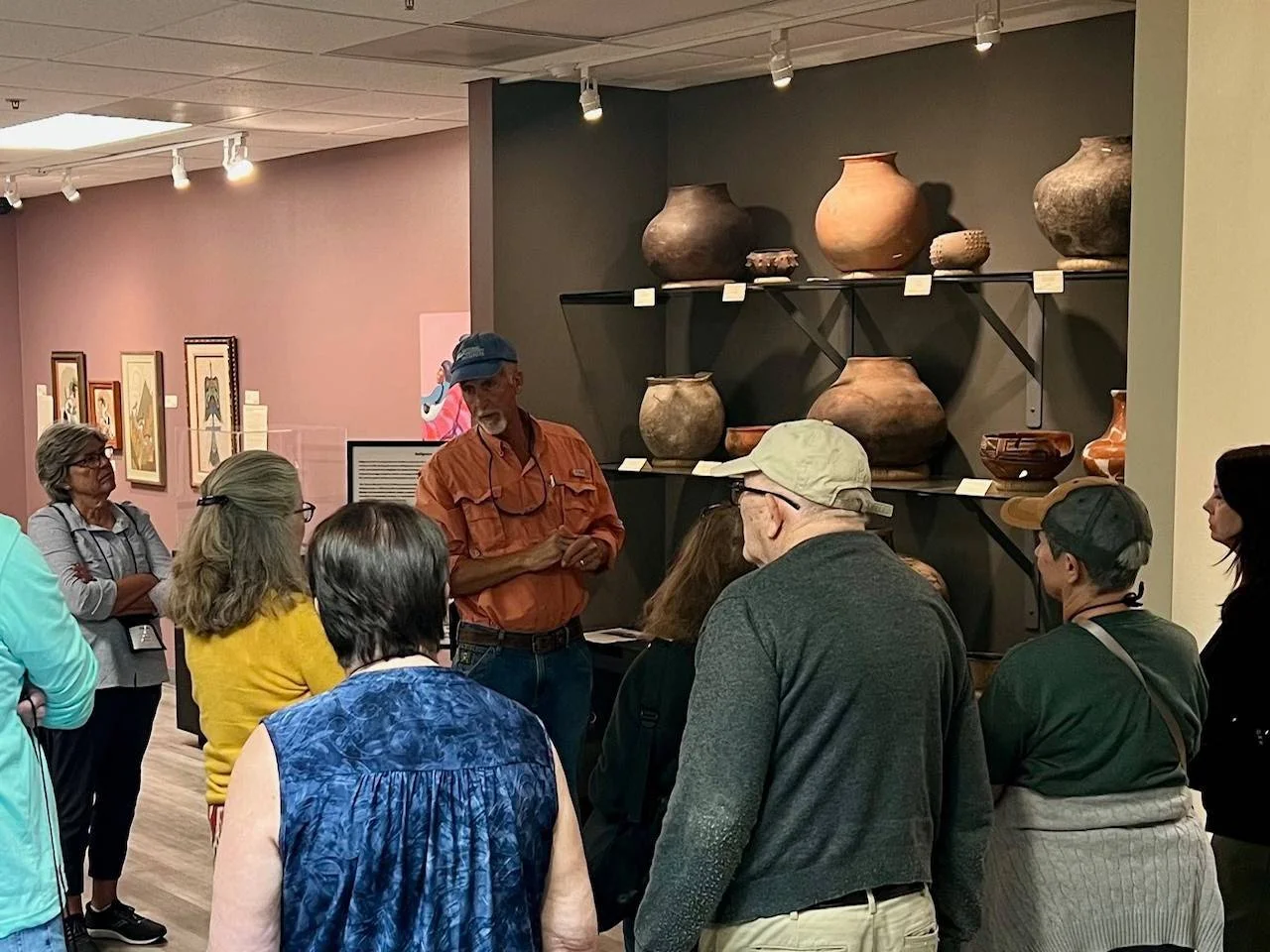
With all the exciting programs and events VVAC hosted this year, we reached a pivotal point: we are constantly at capacity for our events, lectures, and workshops. To meet the growing demand for our programs, as well as keep local history here, we launched our “Pillars of Progress” campaign to reach $60,000 by December the 6th.
Because of your outstanding generosity, we surpassed our goal and raised $62,246 by December the 5th, and as of Friday, December the 12th, we have raised a total of $74,796.
“It's marvelous to see such momentum since we purchased the building in June 2021,” said Buckle. “It's going to be amazing to have liftoff in 2026, but with that said, there are overhead expenses. The reason we fundraise is for operating expenses to keep the lights on and the doors open, to keep staff that work tirelessly paid, to provide unique workshops, classes, conferences, symposiums, and collaborations that all cost a great deal to maintain. Regardless if it's $5 or $500, I am immensely grateful to anyone's thought towards the museum and helping to elevate our mission.”
There’s still time to donate before the end of the tax year and various ways to give to the museum. We have an endowment fund, a Native American Heritage Garden fund, qualified giving, and we’re still accepting donations for our “Pillars of Progress” campaign.
VVAC is a privately owned and operated nonprofit organization. We do not receive federal funding or state funding. We rely heavily on our members, donors and philanthropic partners. Please consider making a donation here.